Prince Harry NATO Comments Afghanistan War Sacrifices Must Be Spoken About Respectfully
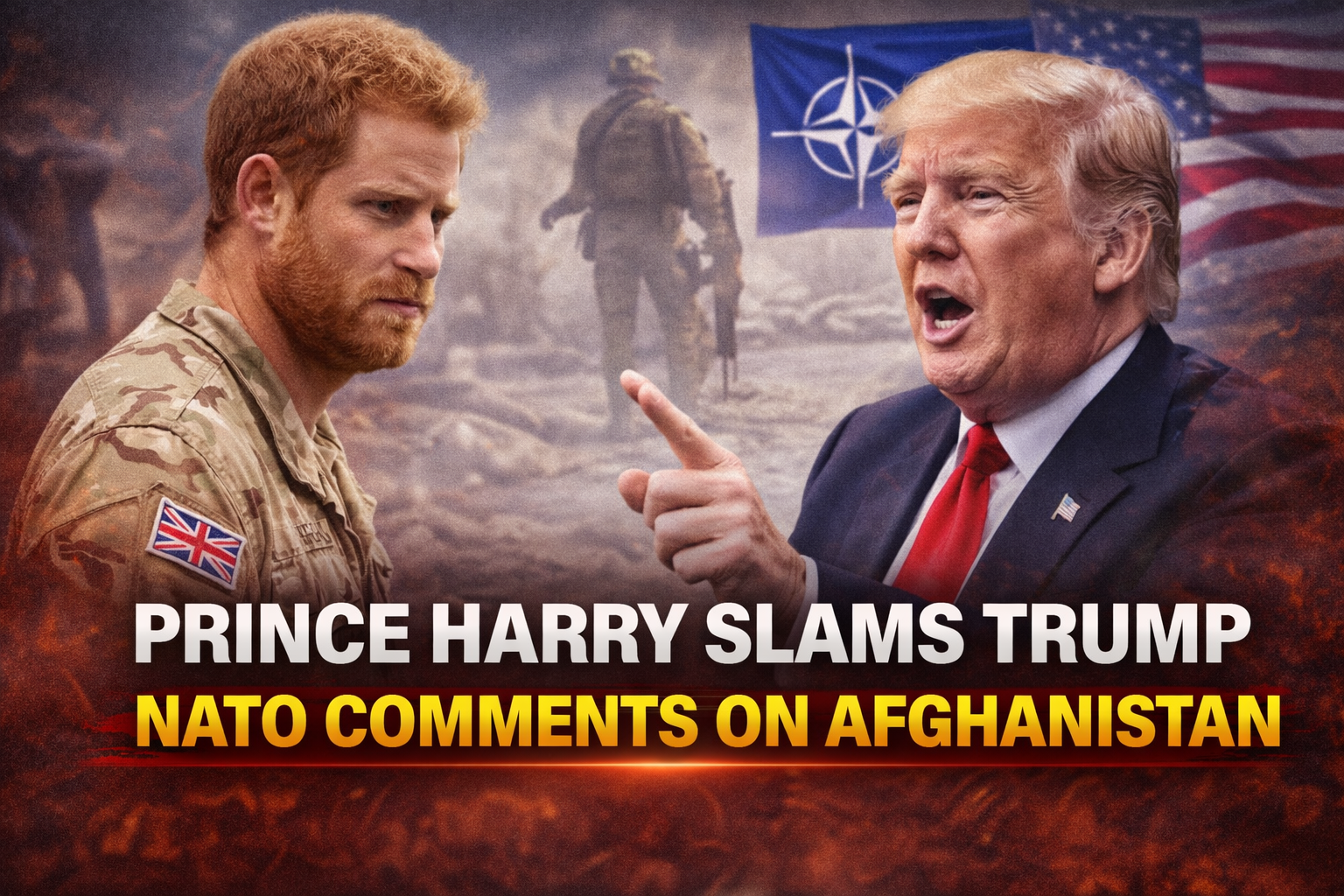
Prince Harry has sharply rebuked former U.S. President Donald Trump’s recent remarks about NATO allies’ role in the Afghanistan conflict, arguing that the sacrifices of NATO troops in Afghanistan deserve respect and must be spoken about truthfully.
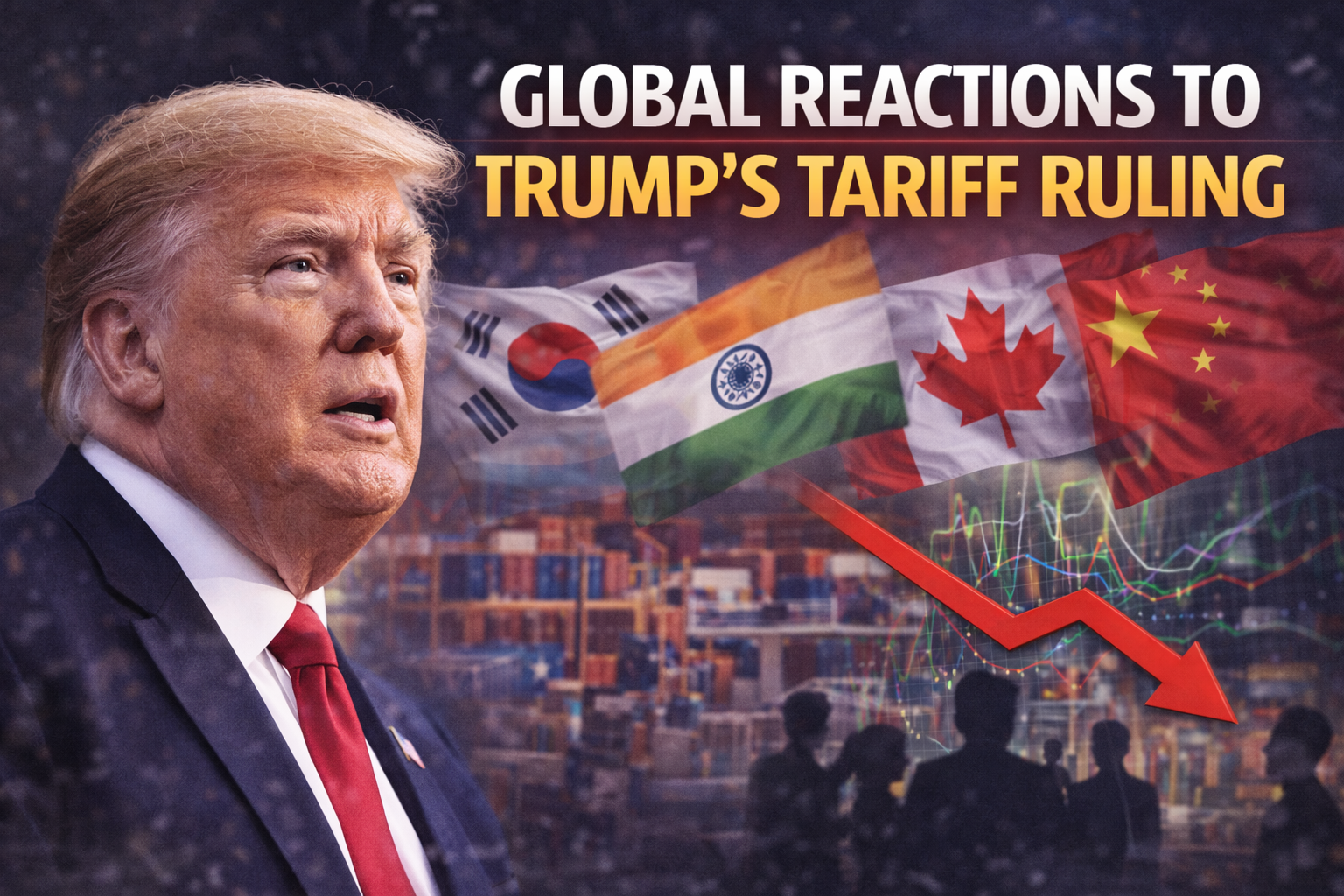
Trump, during a televised interview, suggested that non-U.S. NATO forces “stayed a little off the front lines” during the two-decade war — a comment that sparked strong reactions across Britain and Europe.
As a veteran who served two tours in Afghanistan, Harry emphasized that allied troops answered the call after the September 11 attacks and that British forces suffered heavy losses alongside American counterparts.
What Trump Said — And Why It Matters
In his interview, Trump questioned whether NATO allies would support the U.S. if needed, claiming that non-American forces were not fully committed in Afghanistan — implying they “stayed a little off the front lines.”
Backlash from British Leaders and Veterans
The reaction was swift:
- UK Prime Minister Sir Keir Starmer called Trump’s comments “insulting and frankly appalling,” highlighting the courage and losses of British troops.
- Military veterans and bereaved families expressed deep hurt, saying Trump’s statements dismissed the genuine sacrifices made by NATO allies.
These responses illustrate the political sensitivity around foreign policy narratives and the deep importance of how military service is publicly remembered.
Prince Harry’s Personal Response
A Soldier Speaks on Truth and Respect
Prince Harry’s statement was not just political — it was deeply personal. As someone who served in Afghanistan, he reflected on:
- The bonds formed with fellow soldiers
- The friends he lost in combat
- The need to honour those sacrifices accurately
“In 2001, NATO invoked Article 5 for the first — and only — time in history,” he said. “Allied nations stood with the United States in pursuit of shared security. I served there. I made lifelong friends there. And I lost friends there. Those sacrifices deserve to be spoken about truthfully and with respect.”
By grounding his response in lived experience, Harry challenged any narrative that could minimize the harsh realities faced by NATO troops.
Why This Debate Over Afghanistan Still Matters
NATO’s Legacy and Public Memory
The war in Afghanistan was the longest conflict in modern Western military history. NATO’s Article 5 — a mutual defense clause — was invoked in response to the 9/11 terrorist attacks, leading allied countries to commit troops alongside the U.S.
Though opinions vary on the war’s outcome, many veterans and families feel vulnerable to public statements that appear to discount their service.
Diplomatic Repercussions
Trump’s remarks have more than domestic reverberations. They feed into broader debates about:
- Transatlantic trust
- NATO unity
- Future security cooperation
By provoking allied criticism, the comments also risk complicating diplomatic relations between the U.S. and key European partners.
The Human Cost of Two Decades in Afghanistan
Britain’s Sacrifices in Context
British forces alone suffered significant casualties throughout the Afghanistan mission. During Operation Herrick, British troops faced some of the war’s deadliest fighting, and hundreds were killed or wounded.
These figures — and the stories behind them — deepen the emotional stakes behind Harry’s call for respect. They underline the real human toll that can be overshadowed by political rhetoric.
Veterans Speak Out — Beyond Royal Statements
Voices from the Front Line
Many veterans and families have publicly supported Harry’s stance, arguing that reducing complex international military cooperation to a simple soundbite is disrespectful and inaccurate.
Their perspectives highlight the broader truth that war narratives involve nuanced experiences, profound sacrifices, and lasting personal and community impacts.
Why Prince Harry’s Words Resonate
From Royalty to Soldier — A Unique Position
Prince Harry carries a unique authority:
- As a member of a royal family that traditionally stays above daily politics
- Yet as a former British Army serviceman who experienced war firsthand
This dual role amplifies his response and resonates with veterans and civilians alike.
His remarks aren’t just about critiquing Trump’s comments — they reflect a plea for honesty in how nations remember sacrifice, service, and shared military commitments.
The Broader Debate — Respect, Memory and Leadership
Historical Clarity vs. Political Rhetoric
Political leaders often shape narratives about war and security to support current objectives. Yet, many argue that truthful historical accounting is essential not just for veterans, but for public trust in leadership.
Harry’s intervention reminds audiences that geopolitical commentary carries weight — especially when it touches on the lives of those who served and those who lost loved ones.
Conclusion: The Legacy of Service and Public Dialogue
Prince Harry’s response to Donald Trump’s NATO remarks has sparked important discussion about how military service and sacrifice are publicly acknowledged. What might have seemed like political commentary has become a catalyst for broader reflection on truth, respect, and shared history.
In calling for the sacrifices of NATO troops in Afghanistan to be spoken about truthfully and with respect, Harry has highlighted the need for empathy and honesty in public discourse — especially when it involves people who bore the direct costs of war.
ForbesBBC.blog
Prince Harry’s powerful rebuttal to Donald Trump’s comments about NATO allies in Afghanistan offers more than a personal defense — it underscores an enduring challenge in international relations: how nations remember and honour collective sacrifice while navigating shifting political narratives. His stance reflects a broader call for respectful, fact-based dialogue about shared military history, reminding leaders and citizens alike that the true cost of war cannot be reduced to simplistic rhetoric.